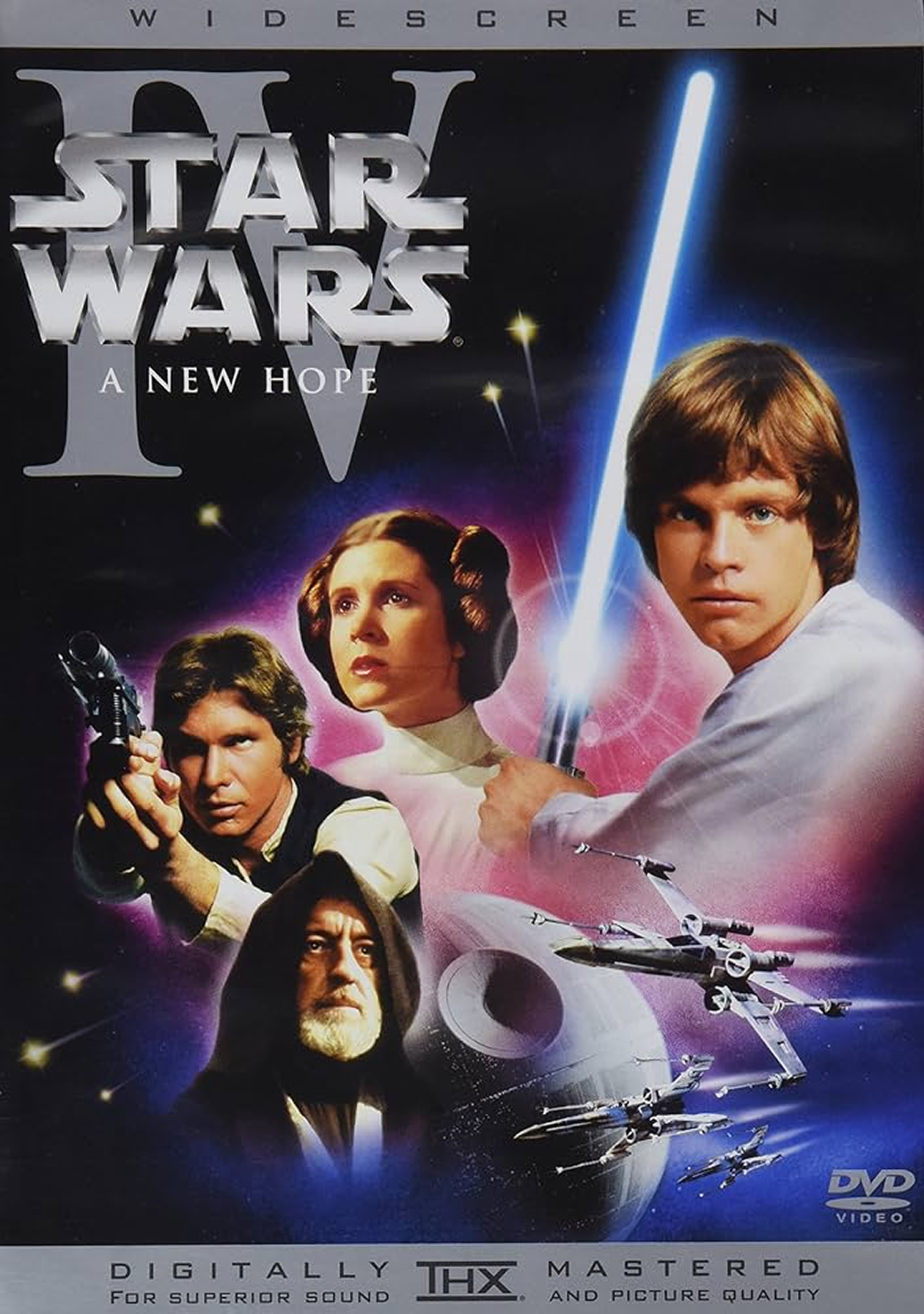
Episode IV: A New Hope
A farm boy named Luke Skywalker discovers a hidden message from a captive princess and joins a Jedi Master and two smugglers on a mission to rescue her and destroy the Empire's ultimate weapon — the Death Star.
Enter the galaxy
Star Wars is an American media franchise created by George Lucas. The space opera saga began with the original Star Wars film (1977) and quickly became a worldwide pop culture phenomenon. It has expanded into various films and other media, including television series, video games, novels, comic books, theme park attractions, and themed areas, comprising an all-encompassing fictional universe. Star Wars is one of the highest-grossing media franchises of all time.
The original film, later retitled Episode IV: A New Hope, was followed by the sequels Episode V: The Empire Strikes Back (1980) and Episode VI: Return of the Jedi (1983), forming the original Star Wars trilogy. Lucas later returned to the series to write and direct a prequel trilogy, consisting of Episode I: The Phantom Menace (1999), Episode II: Attack of the Clones (2002), and Episode III: Revenge of the Sith (2005). In 2012, Lucas sold his production company to Disney, relinquishing his ownership of the franchise. This led to a sequel trilogy, consisting of Episode VII: The Force Awakens (2015), Episode VIII: The Last Jedi (2017), and Episode IX: The Rise of Skywalker (2019).
All nine films, collectively referred to as the "Skywalker Saga", were nominated for Academy Awards, with Oscars going to the first three releases. Together with the spin-off films Rogue One (2016) and Solo (2018), the combined box office revenue of Star Wars theatrical live-action films equals over US$10 billion, making Star Wars the third-highest-grossing film franchise in cinematic history.
Star Wars stories are set in a fictional galaxy in the distant past. They span multiple fictional eras, in which humans and many species of aliens (often humanoid) co-exist with droids (robots), which may be programmed for personal assistance or battle. Space travel between planets is common due to lightspeed hyperspace technology. The various planets depicted contain a range of societies, from wealthy, planet-wide cities to deserts scarcely populated by primitive tribes. Virtually any Earth biome, along with many fictional ones, has its counterpart as a Star Wars planet which, in most cases, teem with sentient and non-sentient alien life.
The universe of Star Wars is generally similar to the real universe but its laws of physics are less strict allowing for more imaginative stories. One result of that is a mystical power known as the Force which is described in the original film as "an energy field created by all living things ... [that] binds the galaxy together". Through training and meditation, those whom "the Force is strong with" exhibit various superpowers; these are wielded by two major knightly orders: the Jedi (light side) and the Sith (dark side).
The franchise is set against a backdrop of galactic conflict involving rebellions, republics and empires. The Jedi and Sith prefer the lightsaber, a retractable blade of plasma. While the franchise is best known as an archetypal space opera, the combination of science fiction and fantasy elements makes Star Wars very universal, capable of telling stories of various genres.
A farm boy named Luke Skywalker discovers a hidden message from a captive princess and joins a Jedi Master and two smugglers on a mission to rescue her and destroy the Empire's ultimate weapon — the Death Star.
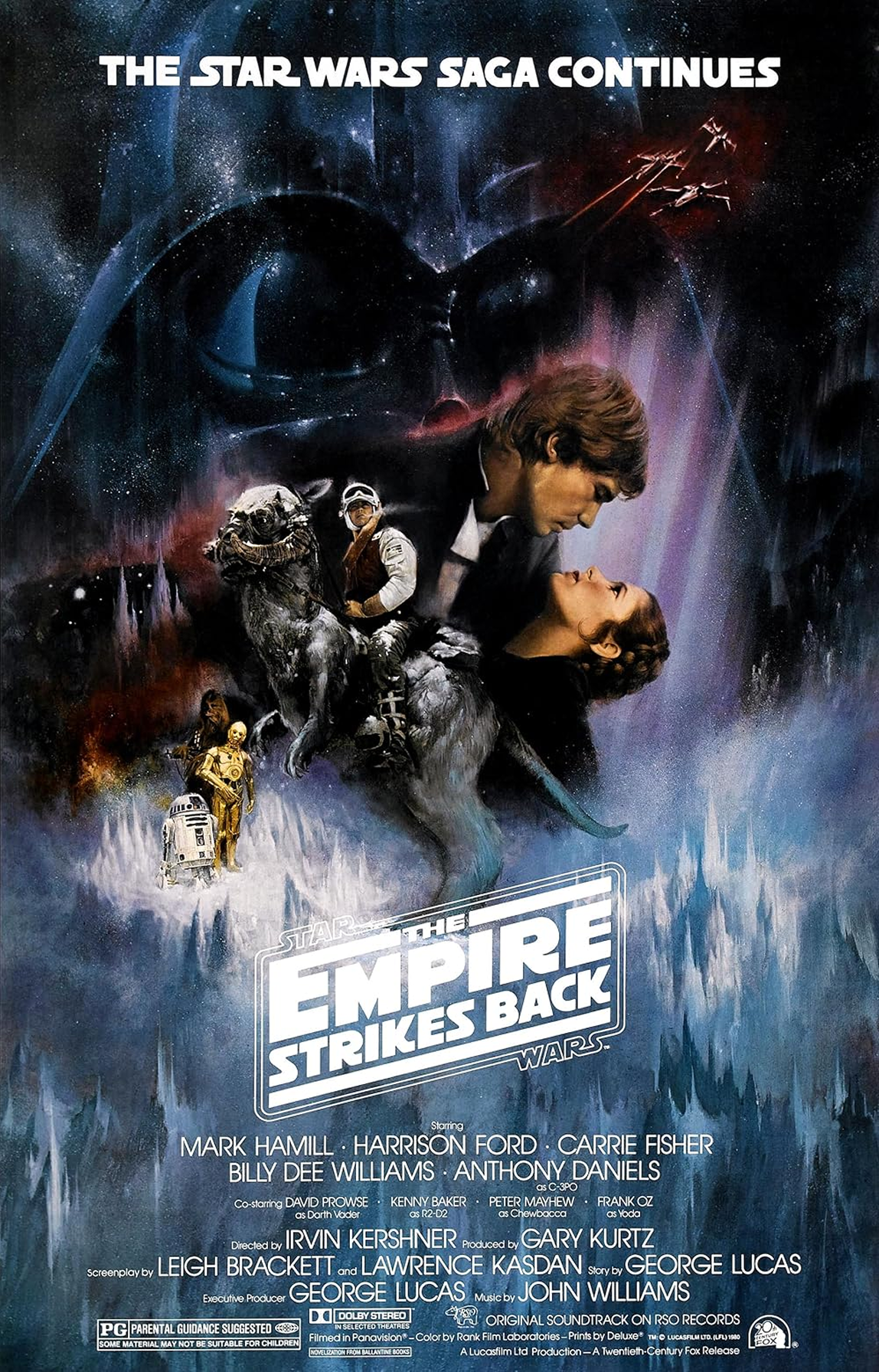
The Empire hunts the fleeing Rebel Alliance across the galaxy. Luke trains with the ancient Jedi Master Yoda while his friends are pursued by Darth Vader, who reveals a shocking truth about Luke's father.
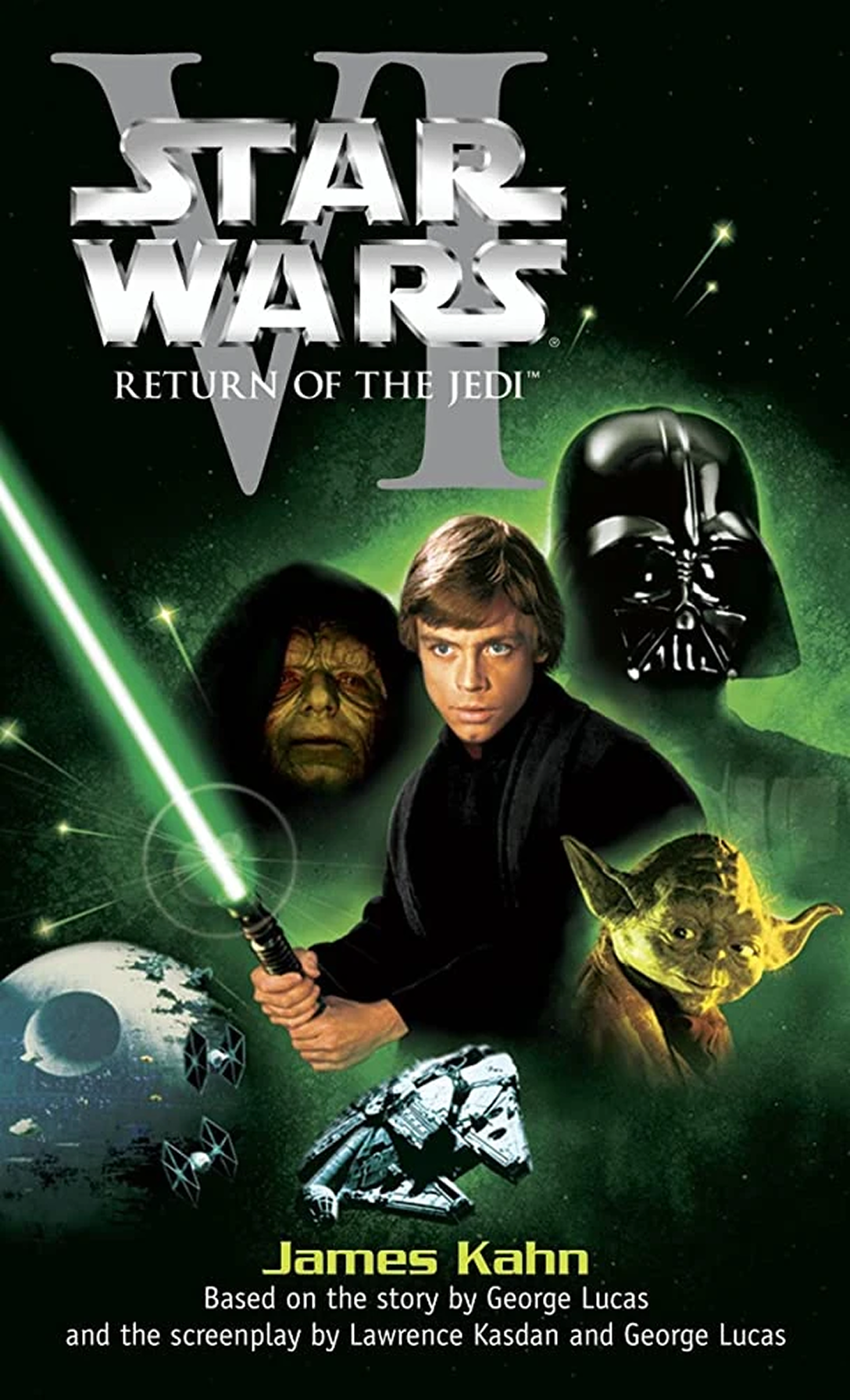
Luke, Leia, and Han lead a mission to rescue Han from the crime lord Jabba the Hutt, then join the Rebel assault on the Empire's new Death Star while Luke confronts Darth Vader and the Emperor.
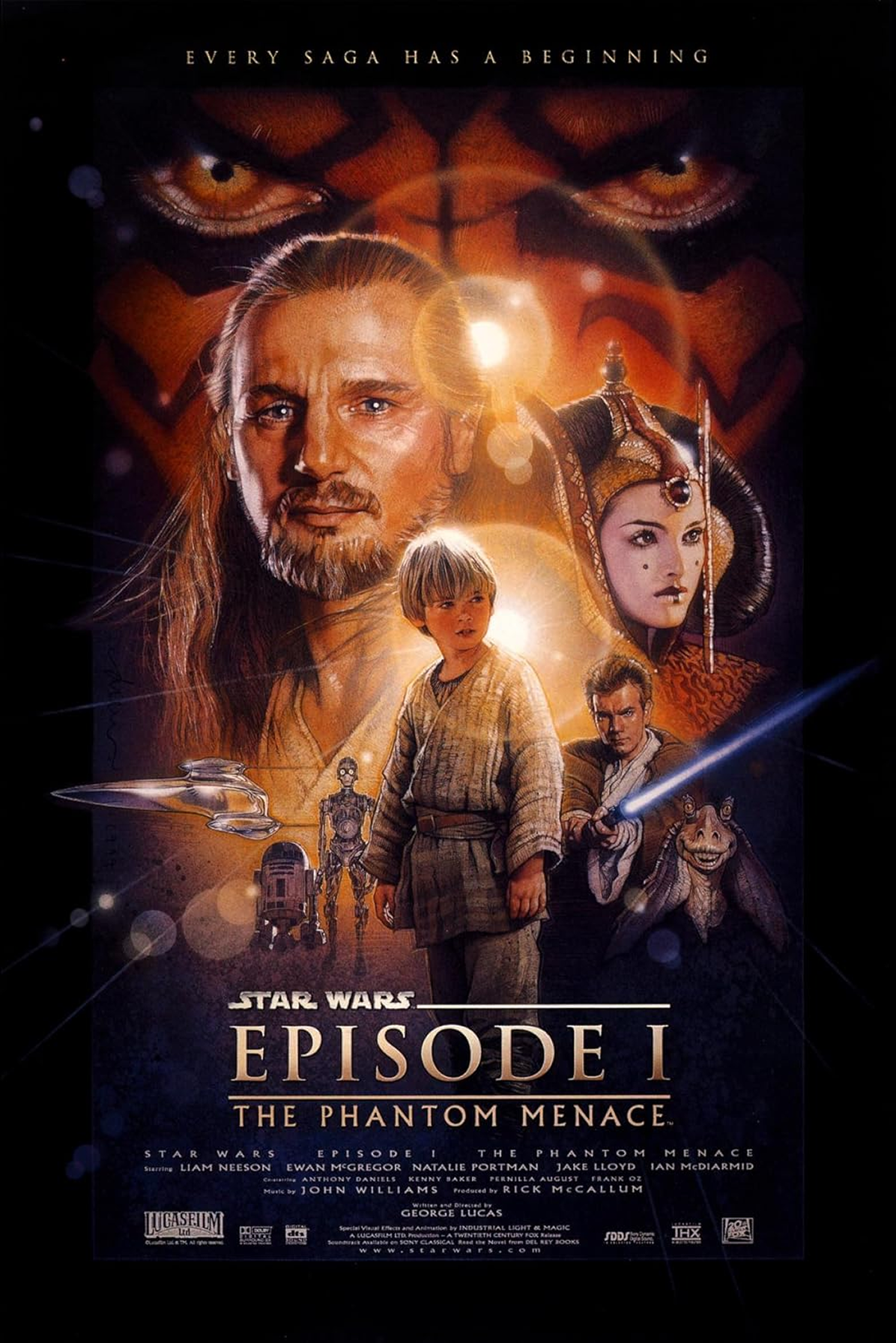
Two Jedi Knights discover a young boy with extraordinary Force potential on the desert planet Tatooine. Meanwhile, the Trade Federation blockades the peaceful planet of Naboo, threatening to plunge the galaxy into war.
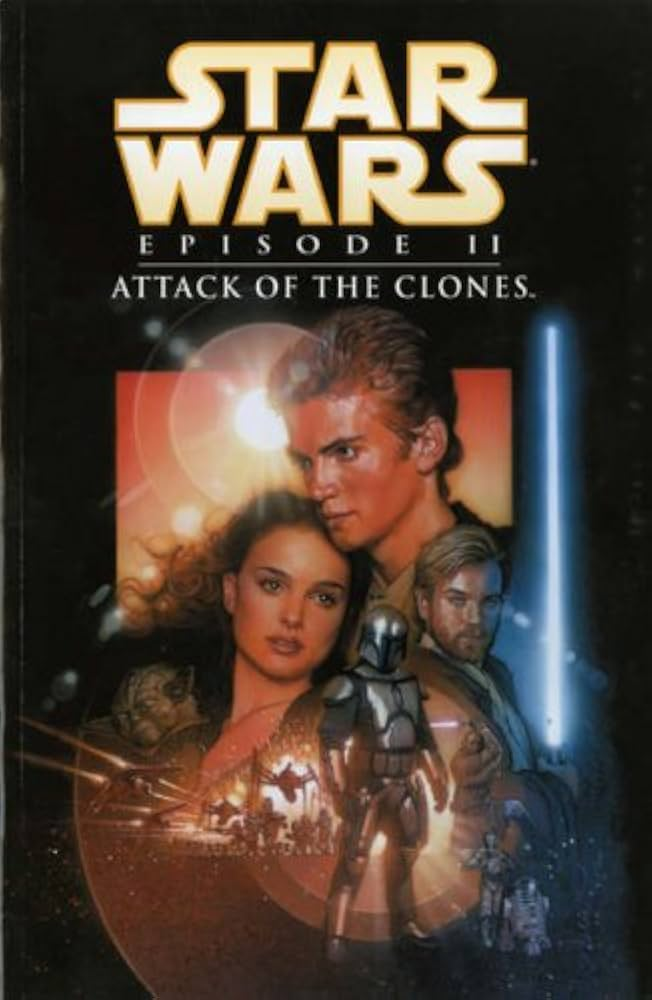
A separatist movement threatens the Galactic Republic. As Senator Padmé Amidala survives assassination attempts, Obi-Wan Kenobi investigates a secret clone army while Anakin Skywalker falls in love and grows closer to the dark side.
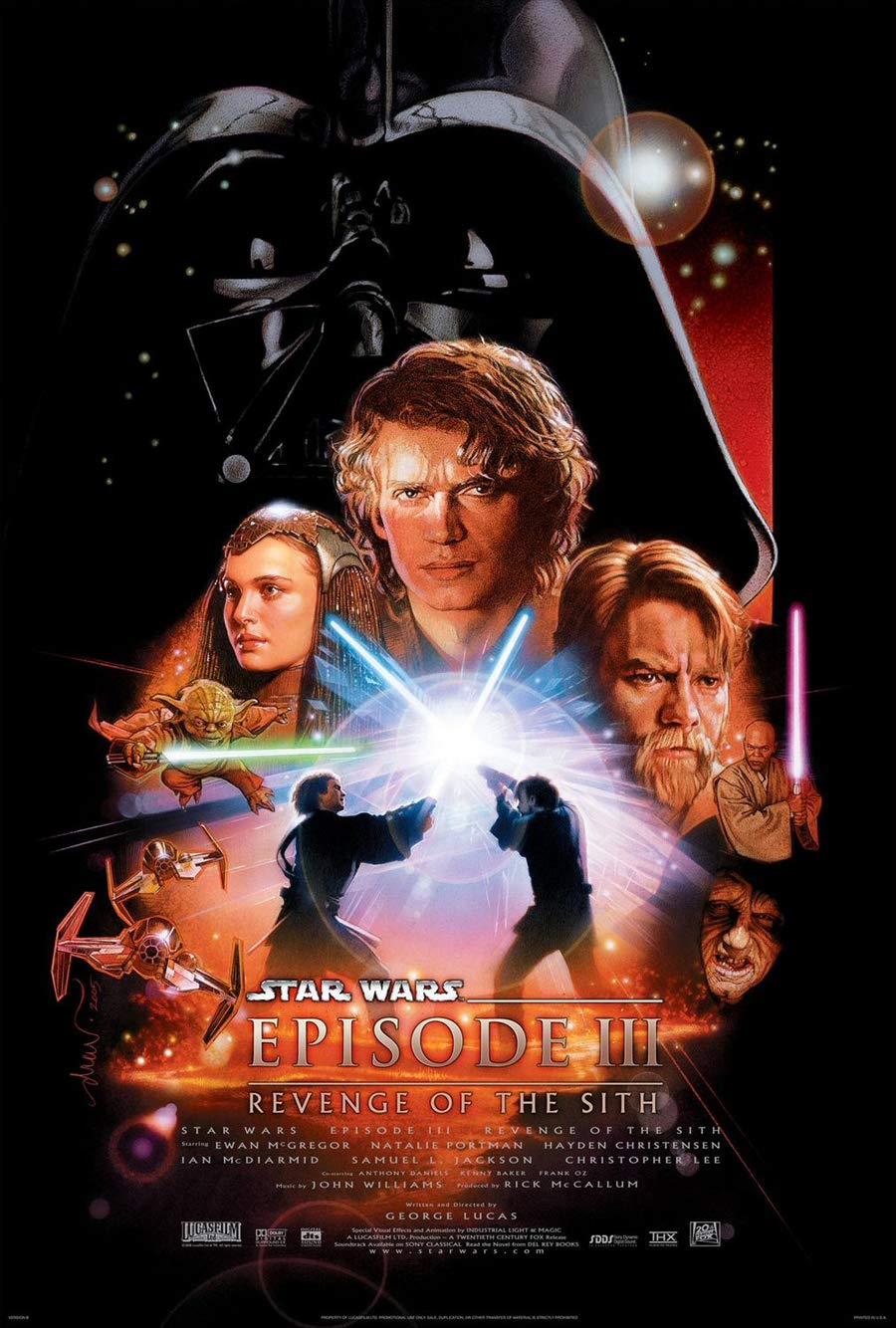
The Clone Wars rage across the galaxy. Chancellor Palpatine reveals his true identity as the Sith Lord Darth Sidious and corrupts Anakin Skywalker, who becomes Darth Vader as the Republic falls and the Galactic Empire rises.
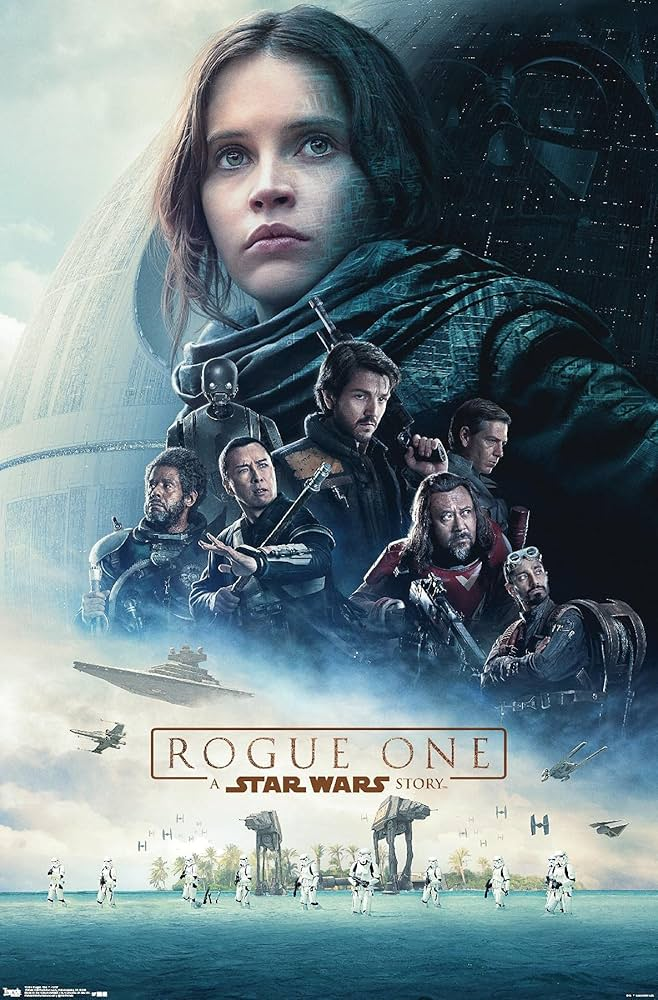
A ragtag group of Rebel spies and soldiers undertakes a desperate mission to steal the plans for the Empire's Death Star. The film leads directly into the opening moments of Episode IV.
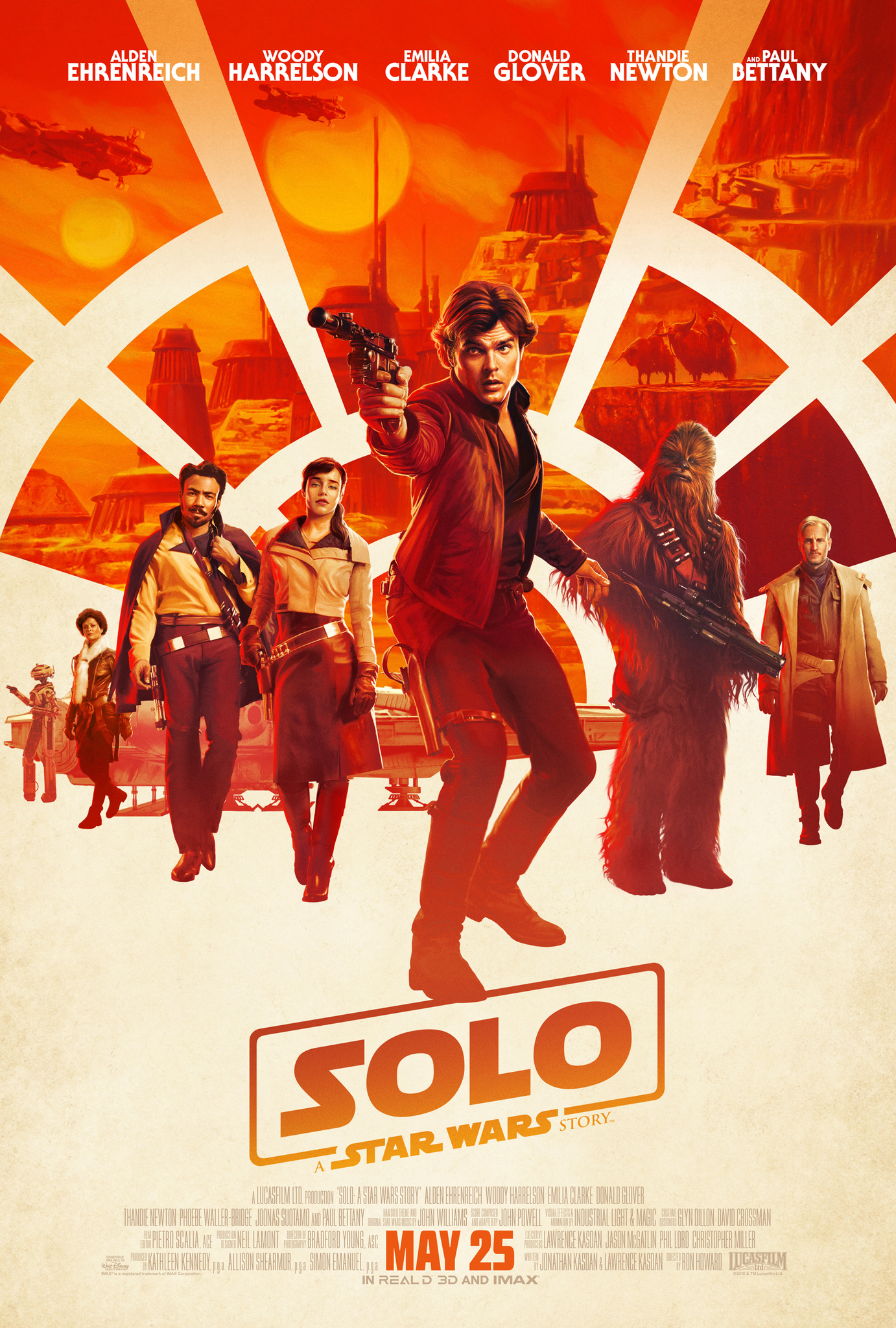
A young Han Solo escapes his home planet, joins a gang of criminals, and teams up with his future co-pilot Chewbacca and the gambler Lando Calrissian on a dangerous heist.
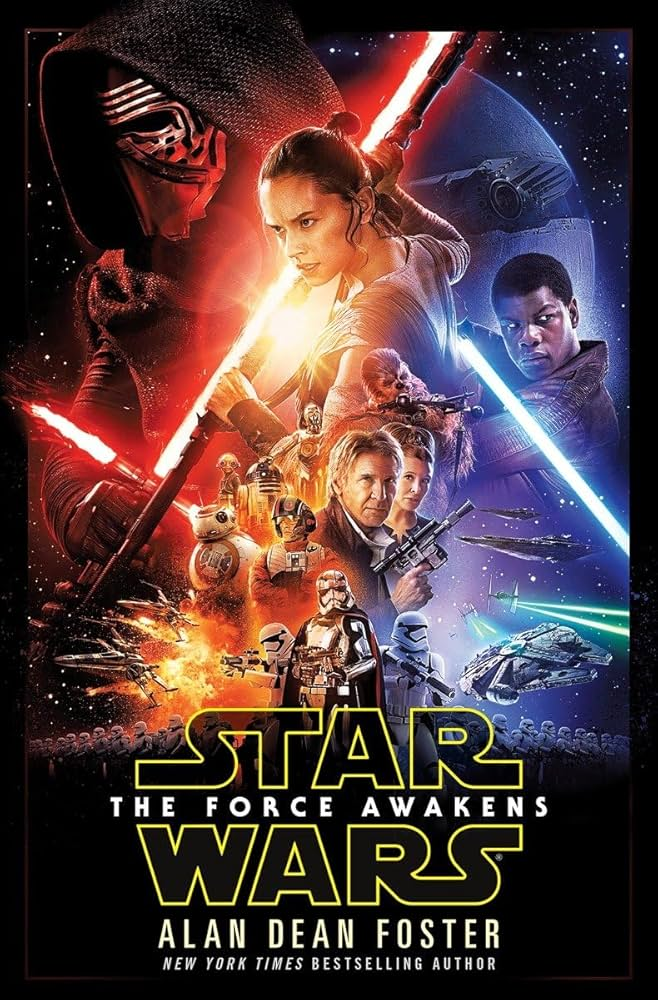
Decades after the fall of the Empire, the First Order rises. Rey, Finn, and Poe join forces with the legendary Luke Skywalker to fight back.
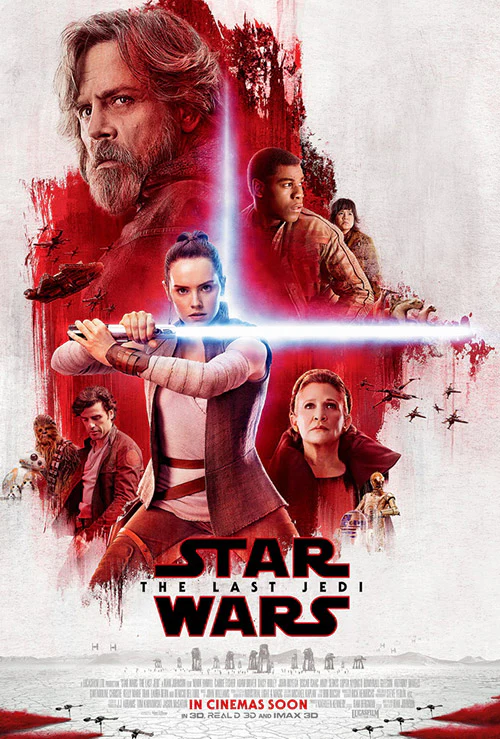
Rey seeks Luke Skywalker's help while the Resistance faces near-total destruction. Kylo Ren struggles with his connection to Rey and loyalty to Supreme Leader Snoke.
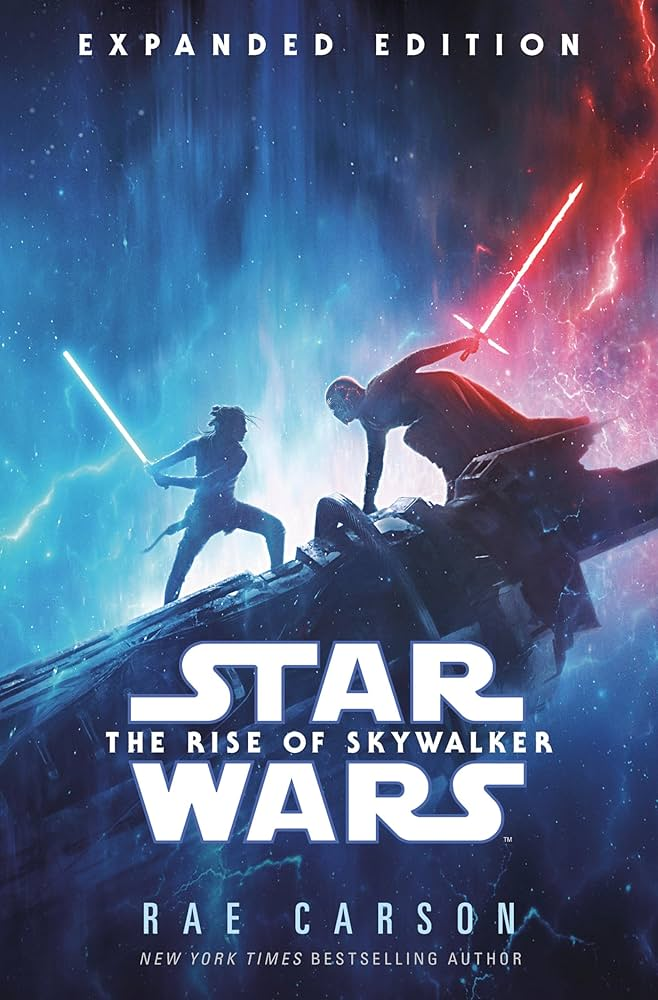
The Resistance faces the return of Emperor Palpatine. Rey, Finn, and Poe lead a final battle against the Sith as Rey confronts her true heritage and embraces her destiny as a Jedi.
Set between Episode II and Episode III, this series follows Anakin Skywalker, Obi-Wan Kenobi, and Ahsoka Tano as they fight the Separatists. The war reveals the dark side of politics and the toll of endless combat.
A small crew of rebels aboard the Ghost conducts secret missions against the Empire. Jedi survivor Ezra Bridger emerges as the conflict grows, reconnecting threads from The Clone Wars.
Young pilot Kazuda Xiono spies on the First Order from the racing platform Colossus as conflict erupts before and during the sequel trilogy.
Immediately after Episode III, an elite squad of mutated clone troopers navigates the rise of the Empire while protecting a young clone named Omega.
An anthology of short stories about Jedi from the prequel era, focusing on Count Dooku’s fall and Ahsoka Tano’s journey.
Set during the High Republic, younglings train to become Jedi Knights in a show about friendship, teamwork, and the Force.
An anthology focusing on bounty hunters and criminals. Confirmed episodes include Cad Bane and Asajj Ventress.
An animated series centered on Darth Maul between The Clone Wars and Rebels, exploring his rise as a crime lord and his power struggle against the Empire.
Five years after Return of the Jedi, bounty hunter Din Djarin becomes guardian to a mysterious Force-sensitive child, Grogu, while pursued by Imperial remnants.
Boba Fett takes control of the criminal underworld on Tatooine after surviving the Sarlacc pit, ruling with strategy rather than fear.
Ten years after Episode III, Obi-Wan lives in hiding on Tatooine until he must rescue young Leia and confront Darth Vader.
A Rogue One prequel following Cassian Andor in the years leading to the Rebellion, charting the slow birth of the Rebel Alliance.
Former Jedi Ahsoka Tano hunts Grand Admiral Thrawn, bridging storylines from Rebels and pointing toward a larger threat.
About 100 years before The Phantom Menace, a former Padawan and her Jedi Master investigate crimes as dark side secrets and a hidden Sith lord emerge.
A group of children lost in the galaxy must find their way home in an Amblin-style coming-of-age adventure set in the New Republic era.
A theatrical continuation of The Mandalorian. Din Djarin and Grogu will embark on a new adventure on the big screen.
An upcoming standalone film unrelated to the Skywalker Saga or Rey’s storyline. Plot details are currently unknown.
Set roughly 25,000 years before the Skywalker Saga, depicting the first Jedi and the origins of the Force as an organized practice.
After Episode IX, Rey builds a new Jedi Order, training a new generation while confronting whatever threats remain.
An anthology about criminals and scoundrels. Confirmed episodes include Cad Bane (60–30 BBY) and Asajj Ventress (21–17 BBY).
Follows Darth Maul between his survival of The Phantom Menace and his appearances in Solo and Rebels, exploring his rise as a crime syndicate leader.
All dates are relative to the Battle of Yavin (BBY = Before, ABY = After).
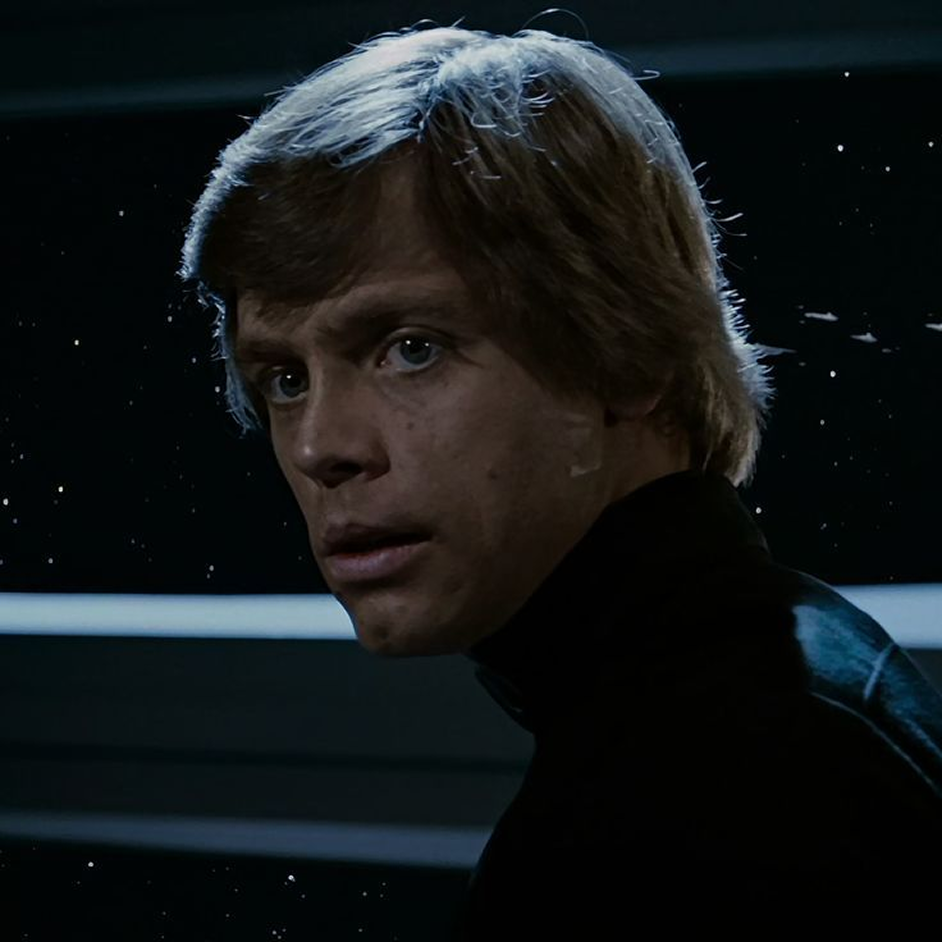
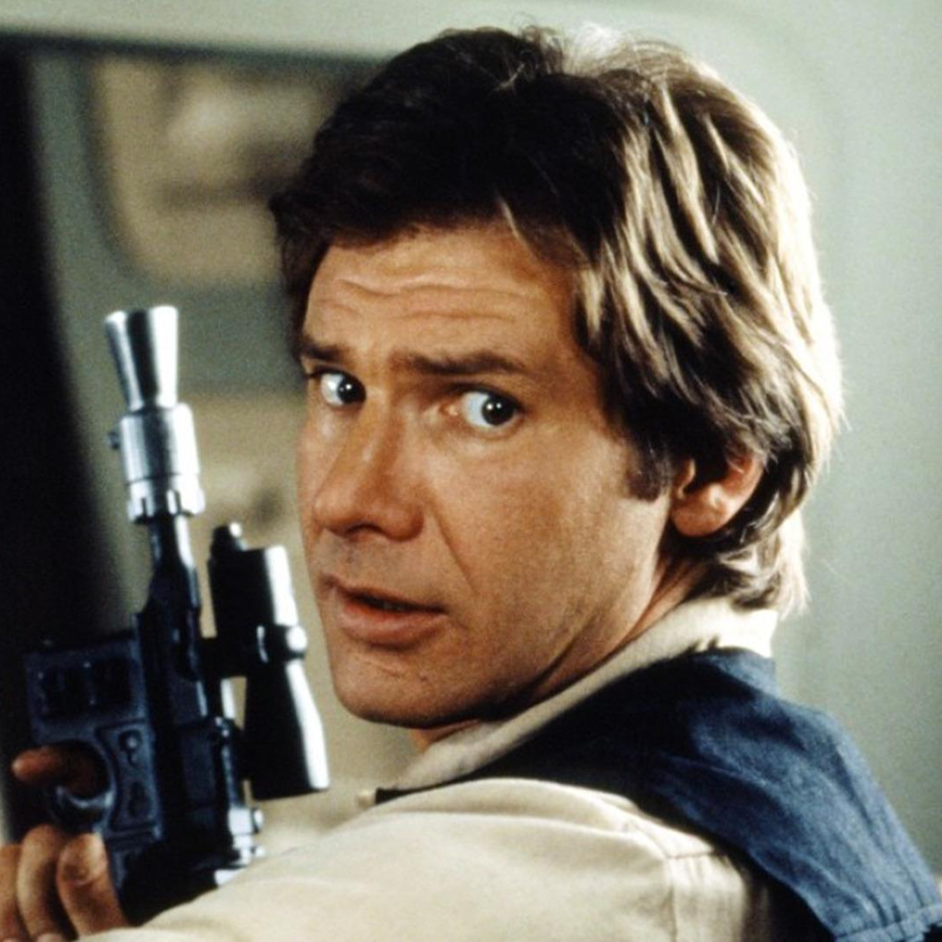
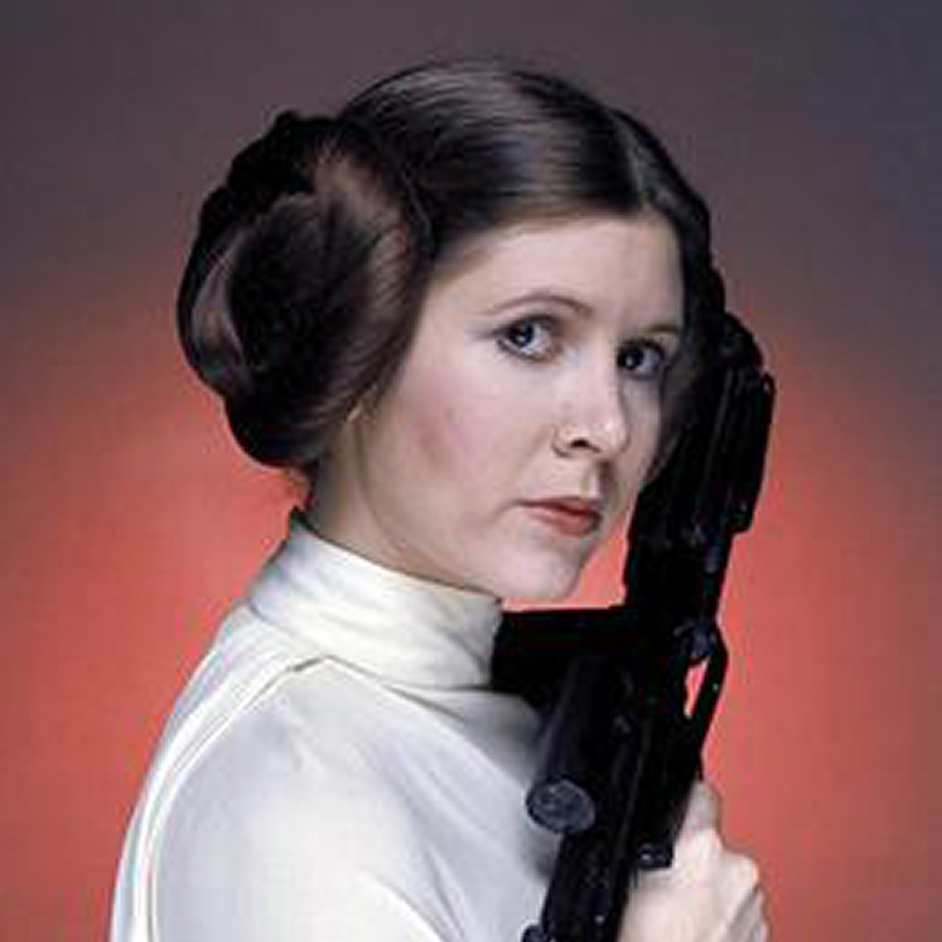
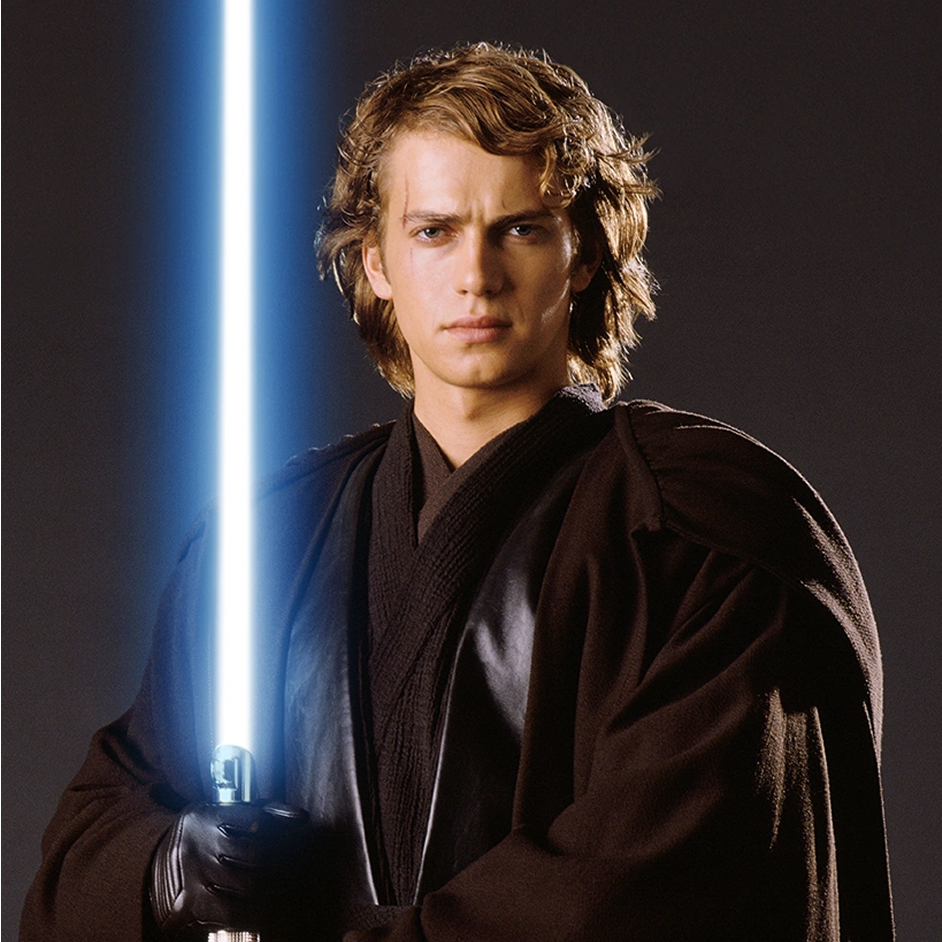
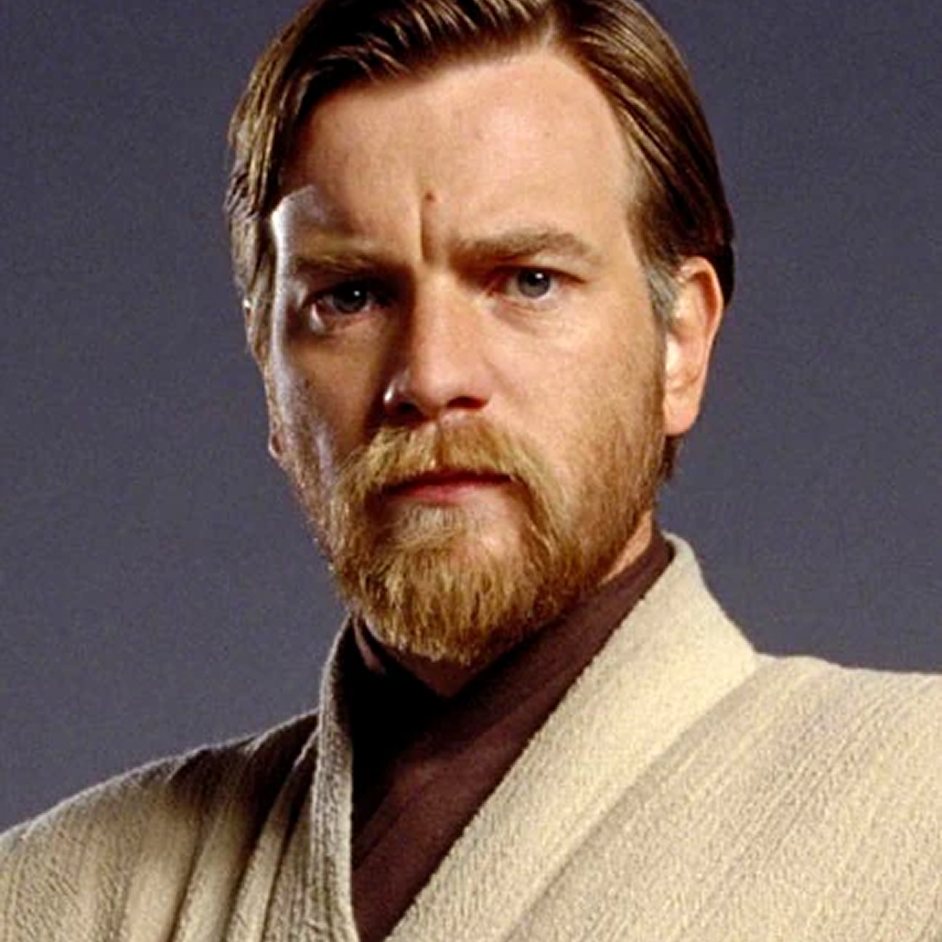
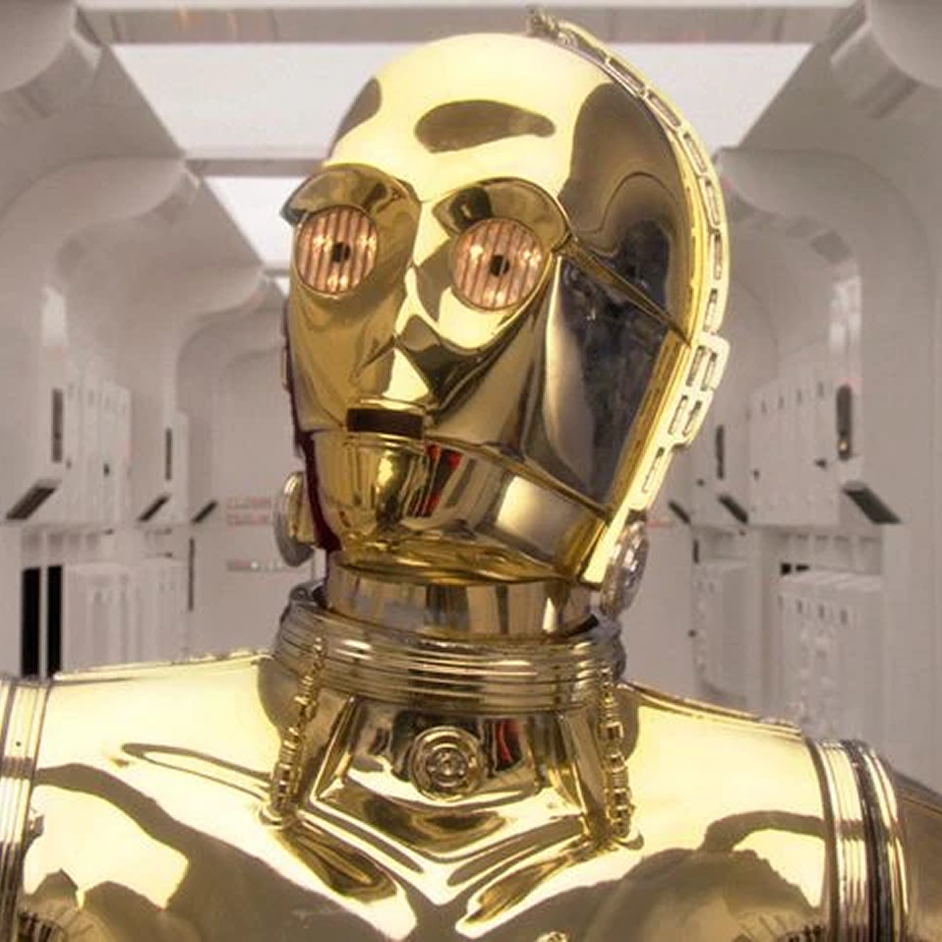
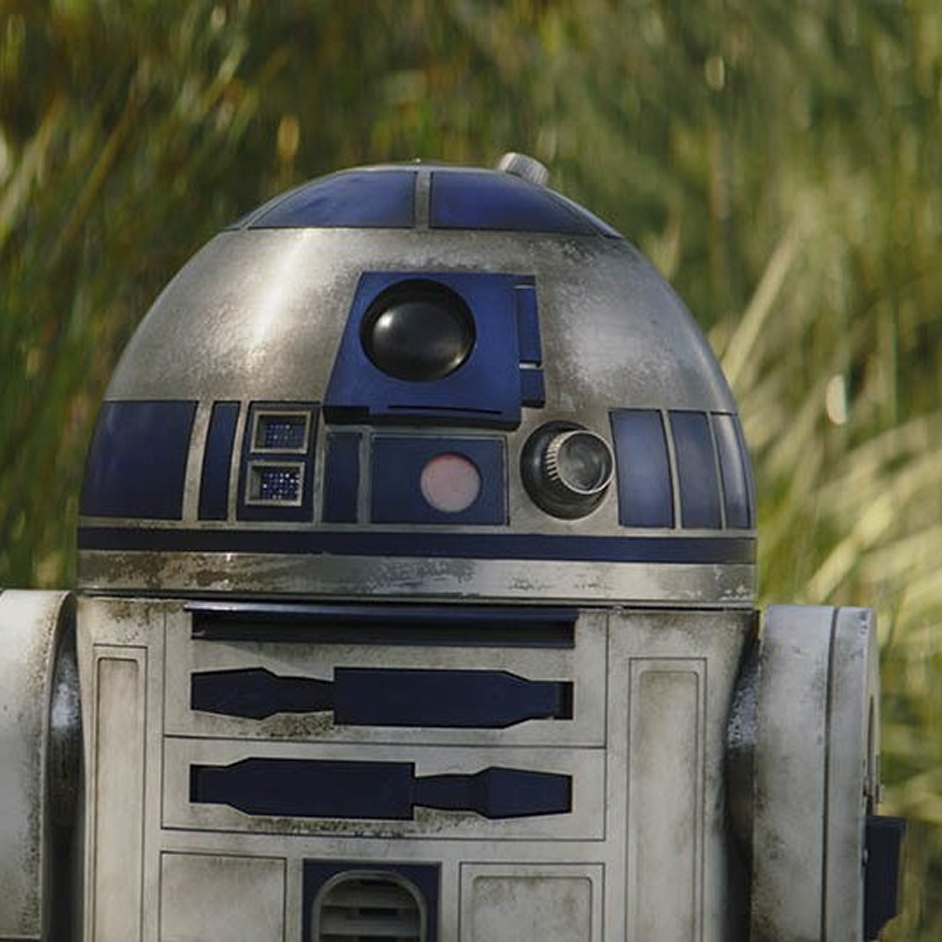
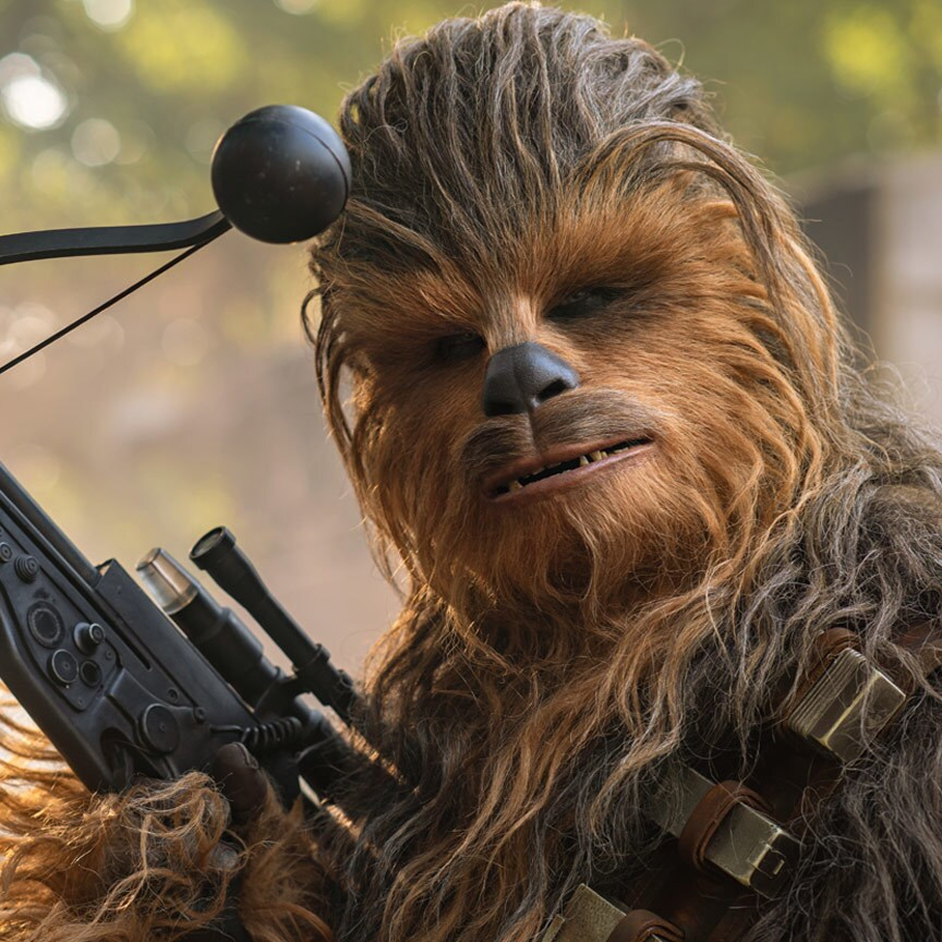
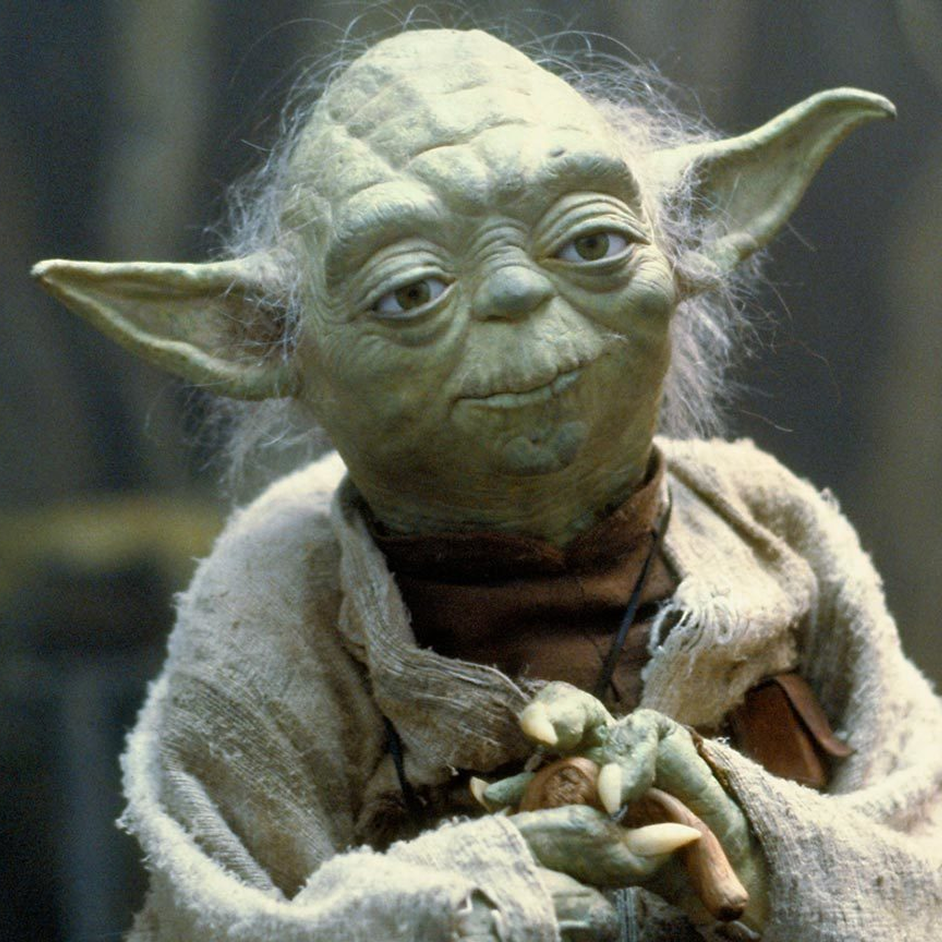
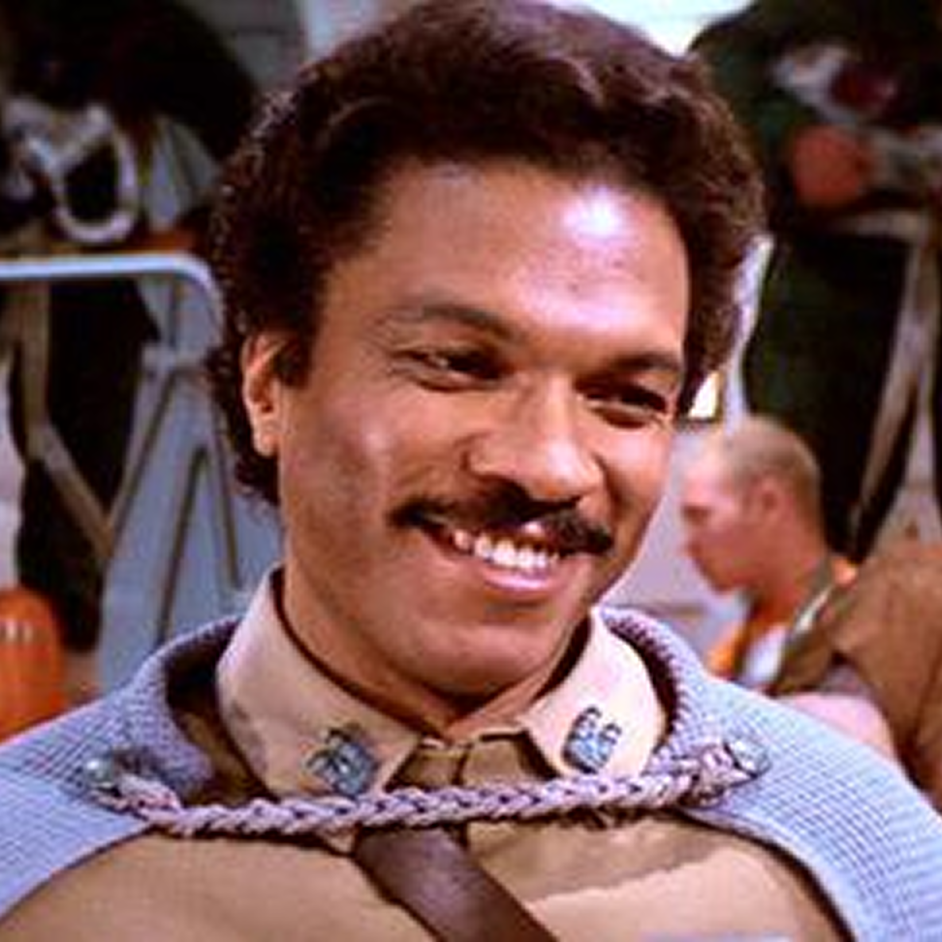
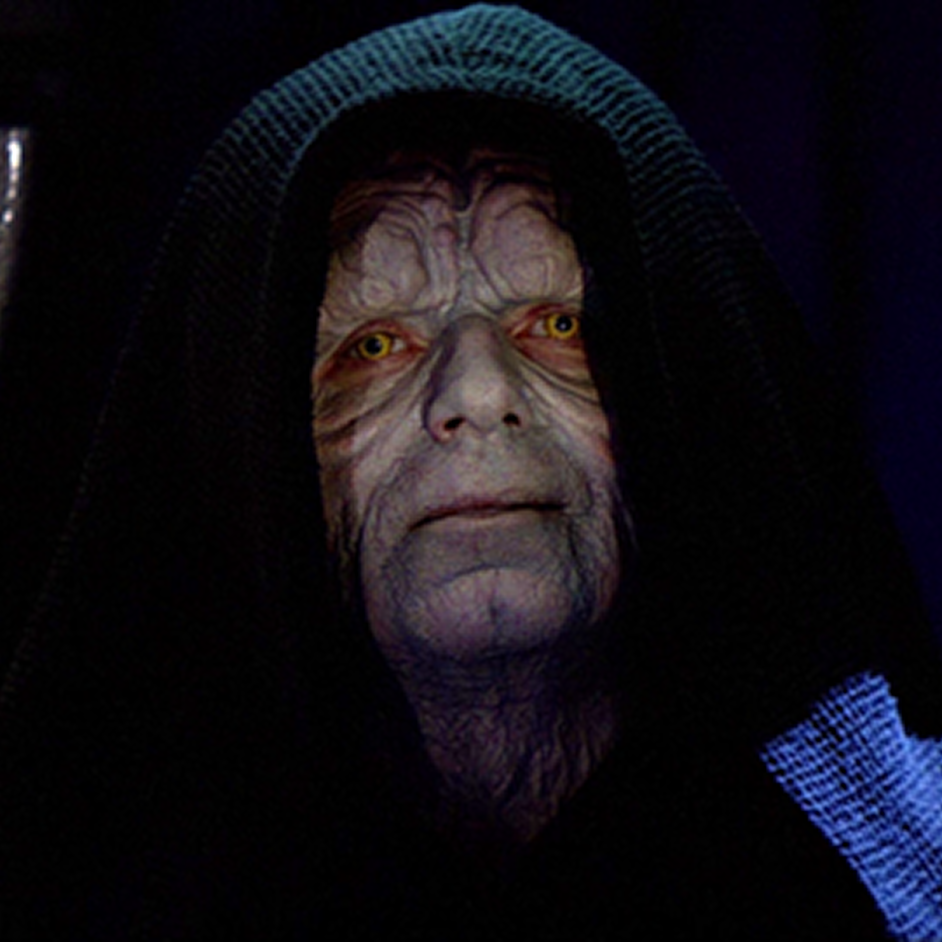
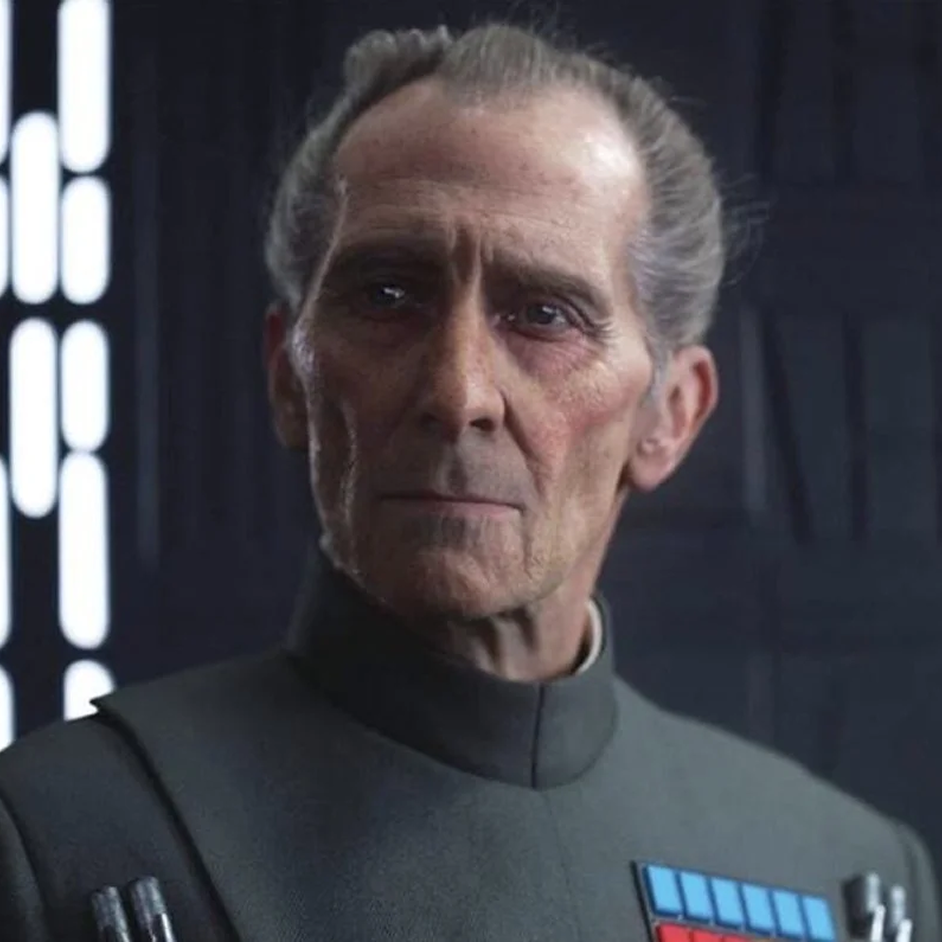

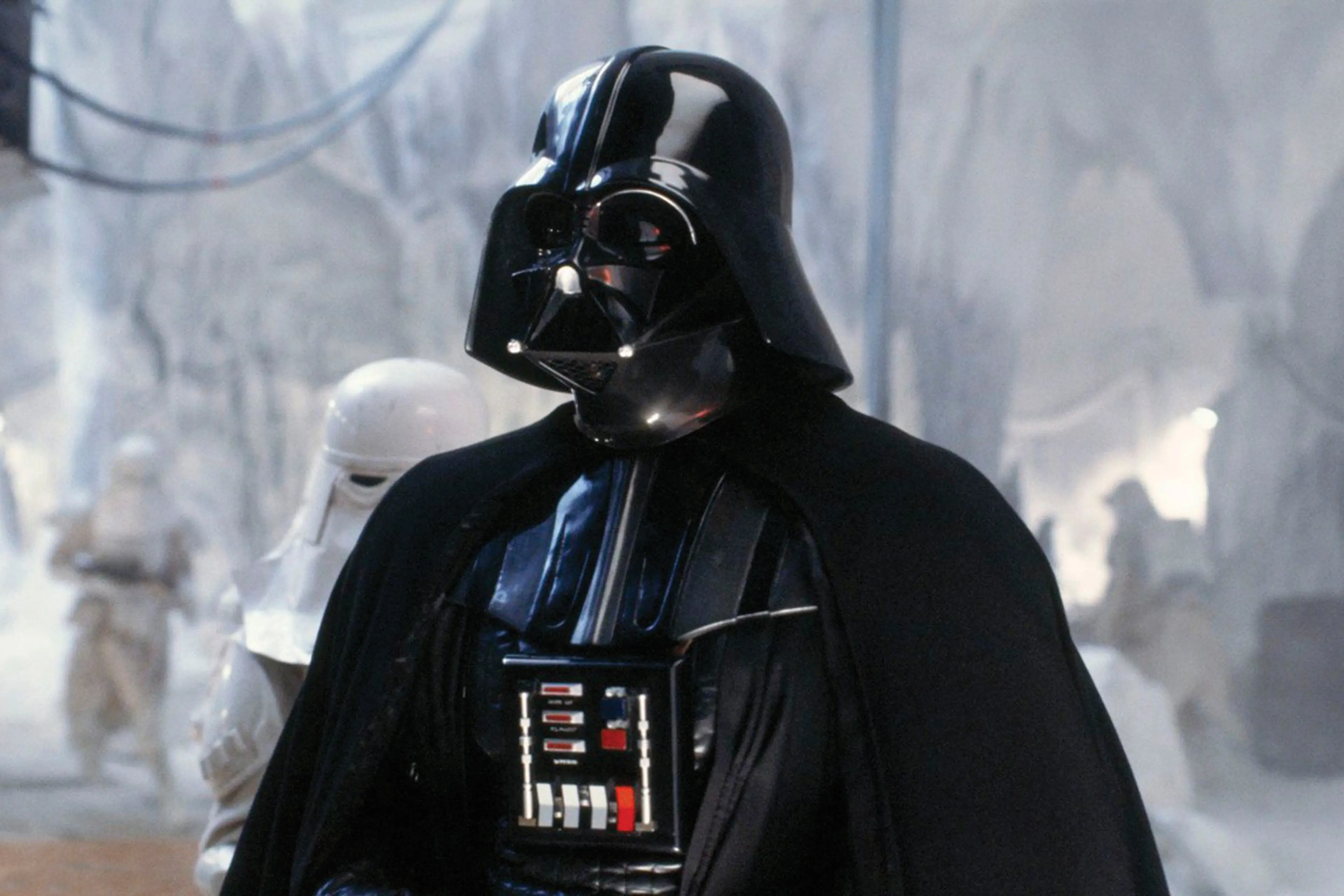
Star Wars features elements such as knighthood, chivalry, and Jungian archetypes such as "the shadow". There are also many references to Christianity, such as in the appearance of Darth Maul, whose design draws heavily from traditional depictions of the devil. Anakin was conceived of a virgin birth, and is assumed to be the "Chosen One", a messianic individual. However, unlike Jesus, Anakin falls from grace, remaining evil as Darth Vader until Return of the Jedi. According to Adam Driver, sequel trilogy villain Kylo Ren, who idolizes Vader, believes he is "doing what he thinks is right". George Lucas has said that the theme of the saga is redemption.
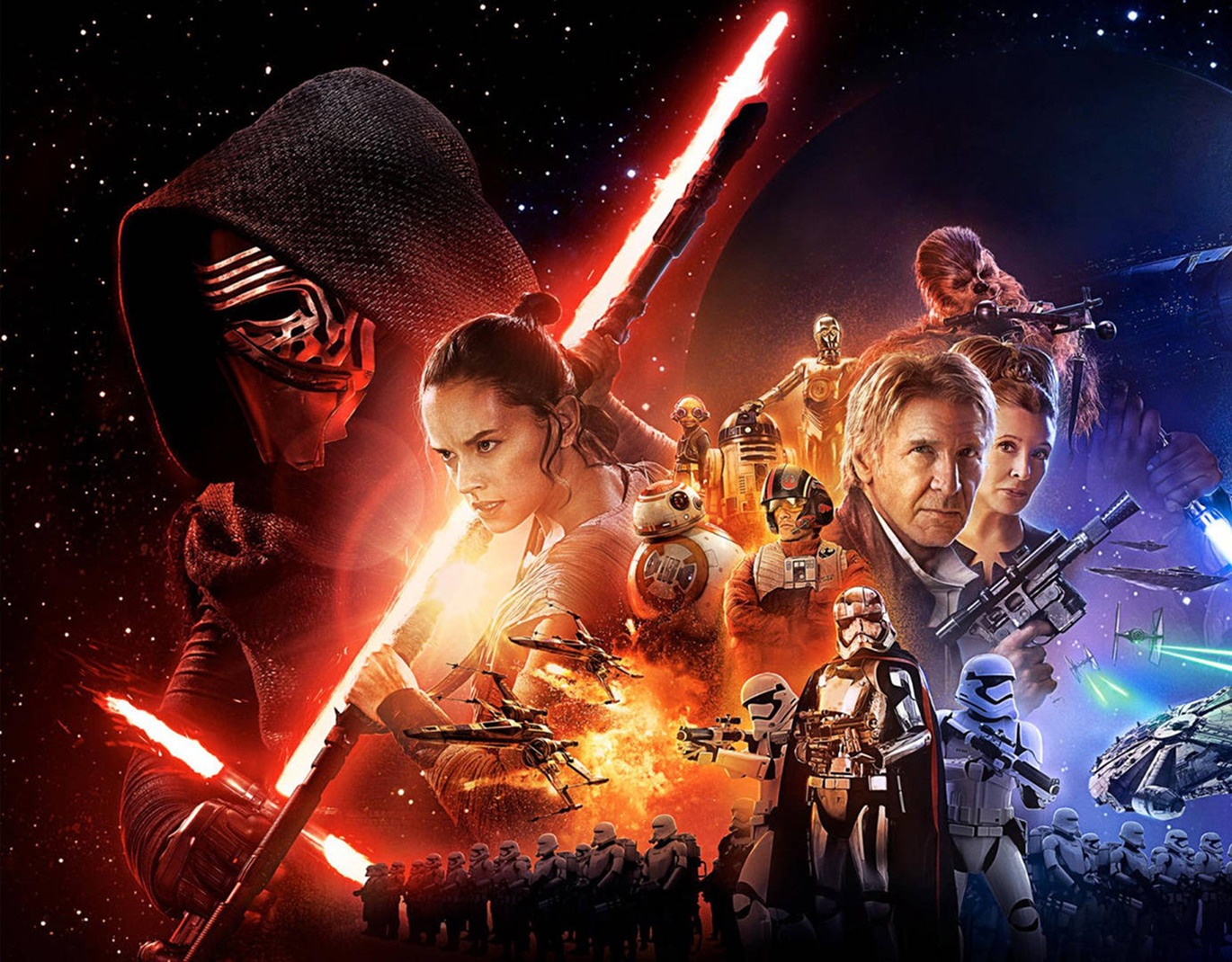
The saga draws heavily from the hero's journey, an archetypical template developed by comparative mythologist Joseph Campbell. Each character—primarily Anakin, Luke, and Rey—follows the steps of the cycle or undergoes its reversal, becoming the villain. A defining step of the journey is "Atonement with the Father". Obi-Wan's loss of a father figure could have impacted his relationship with Anakin, whom both Obi-Wan and Palpatine are fatherlike mentors to. Luke's discovery that Vader is his father has strong repercussions on the saga and is regarded as one of the most influential plot twists in cinema. Supreme Leader Snoke encourages Kylo Ren to kill his father, Han Solo. Kylo uses the fact that Rey is an orphan to tempt her into joining the dark side. According to Inverse, the final scene in The Last Jedi, which depicts servant children playing with a toy of Luke and one boy using the Force, symbolizes that "the Force can be found in people with humble beginnings."
The Star Wars saga has had a significant impact on popular culture, with references to its fictional universe deeply embedded in everyday life. Phrases like "evil empire" and "May the Force be with you" have become part of the popular lexicon. The first Star Wars film in 1977 was a cultural unifier, enjoyed by a wide spectrum of people. The film can be said to have helped launch the science-fiction boom of the late 1970s and early 1980s, making science-fiction films a mainstream genre. The widespread impact made it a prime target for parody works and homages, with popular examples including Hardware Wars, Spaceballs, The Family Guy Trilogy and Robot Chicken: Star Wars.
In 1989, the Library of Congress selected the original Star Wars film for preservation in the U.S. National Film Registry, as being "culturally, historically, or aesthetically significant." The Empire Strikes Back was selected in 2010, and Return of the Jedi was selected in 2021. 35 mm reels of the 1997 Special Editions were the versions initially presented for preservation because of the difficulty of transferring from the original prints, but it was later revealed that the Library possesses a copyright deposit print of the original theatrical releases.
In December 2025, a 1977 painting that introduced the world to Star Wars sold for record $3.875 million at Heritage Auctions, becoming the most expensive piece of memorabilia in the franchise’s history.
The original Star Wars film was a huge success for 20th Century Fox and was credited for reinvigorating the company: within three weeks of release, the studio’s stock price doubled to a record high, and 1977 profits rose to $79 million (up from a previous annual high of $37 million). The franchise helped Fox to change from an almost bankrupt production company to a thriving media conglomerate. With over $10.3 billion in worldwide box office receipts, Star Wars is the second-highest-grossing film franchise of all time.
Star Wars fundamentally changed the aesthetics and narratives of Hollywood films, helping drive a boom in modern special effects and establishing the summer blockbuster model (alongside Jaws). It also reinforced the idea of major trilogies and merchandising as a central part of film economics. Critics have debated whether this shift moved cinema away from “sophisticated” standalone dramas toward spectacle-driven franchises, but its influence on filmmakers and on the “used universe” aesthetic is widely recognized.
The Star Wars saga has inspired many fans to create their own non-canon material set in the Star Wars galaxy. In recent years, this has ranged from writing fan fiction to creating fan films.
In 2002, Lucasfilm sponsored the first annual Official Star Wars Fan Film Awards, officially recognizing filmmakers and the genre. Because of concerns over potential copyright and trademark issues, however, the contest was initially open only to parodies, mockumentaries, and documentaries. Fan fiction films set in the Star Wars universe were originally ineligible, but in 2007, Lucasfilm changed the submission standards to allow in-universe fiction entries. Lucasfilm has allowed but not endorsed the creation of fan fiction, as long as it does not attempt to make a profit.
As the characters and the storyline of the original trilogy are so well known, educators have used the films in the classroom as a learning resource.
For example, a project in Western Australia honed elementary school students' storytelling skills by role-playing action scenes from the movies and later creating props and audio/visual scenery to enhance their performance. Others have used the films to encourage second-level students to integrate technology in the science classroom by making prototype lightsabers. Similarly, psychiatrists in New Zealand and the U.S. have advocated their use in the university classroom to explain different types of psychopathology.